Alternative Flossing Tips From a General Dentist
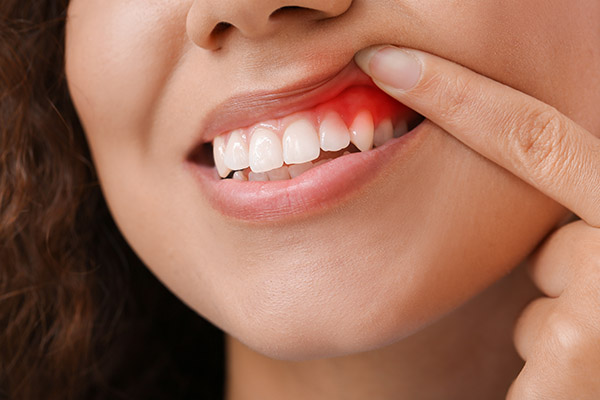
General dentists recommend adding flossing to your oral hygiene routine once a day. This important practice removes plaque and food debris that brushing alone cannot reach. While string floss is an effective way to clean between your teeth, several alternative methods can make the cleaning process more comfortable and efficient.
The importance of flossing every day
Flossing is an essential part of preventing gum disease, tooth decay, and bad breath. It removes particles from between teeth and along the gumline where bacteria accumulate. Without the appropriate amount of interdental cleaning, plaque hardens into tartar, which can lead to cavities between teeth, gingivitis, and more serious oral health conditions. Fortunately, regular flossing, whether with traditional tools or alternatives, helps individuals maintain a cleaner and healthier mouth.
Popular flossing alternatives
Floss picks
Floss picks are a practical alternative for those seeking convenience. They combine a short strand of floss with a plastic handle, making them easier to hold and control. This tool is particularly useful for cleaning the back molars and for individuals who prefer a quicker flossing routine. Disposable and travel-friendly, floss picks offer an effective way to maintain consistency in daily oral hygiene habits. They also come in bulk packaging, making them an economical alternative to string floss.
Tape floss
Tape floss, or dental tape, is a type of dental floss that is broader and flatter than traditional floss. This floss alternative is ideal for people with wider spaces between their teeth, sensitive gums, or those who find standard floss difficult to handle. Its larger surface area can be more comfortable and effective for thoroughly cleaning between the teeth and along the gumline. Similar to regular floss, it is available in waxed and unwaxed versions. It slides smoothly between the teeth to remove accumulated food debris and plaque.
Water flossers
A water flosser, also known as an oral irrigator, uses a pressurized stream of water to dislodge debris between teeth and below the gumline. Many patients often find water flossers easier to handle, particularly those with braces, dental bridges, or limited dexterity. A general dentist may recommend this device for its gentle yet thorough cleaning action. Additionally, water flossers can reduce gum bleeding and inflammation while reaching deeper areas that traditional floss may otherwise miss.
Interdental brushes
Interdental brushes are small, conical brushes designed to fit between teeth. They are ideal for individuals with larger gaps, dental restorations, or sensitive gums. These brushes are available in multiple sizes, making them adaptable for various oral anatomies. A general dentist suggests using interdental brushes for patients who find traditional floss uncomfortable or difficult to maneuver between their teeth. Regular use can also help people maintain healthy gum tissue and reduce the risk of plaque buildup.
Upgrade your oral hygiene routine
Flossing remains essential for long-term oral health, but it does not have to rely solely on traditional string floss. With guidance from a general dentist, you can select the most effective tools to support your daily oral health and maintain a cleaner, healthier smile. Call our Albany office today to learn more about how flossing alternatives can elevate your oral hygiene routine.
Request an appointment here: https://www.madisondentalalbany.com or call Madison Dental at (518) 313-0143 for an appointment in our Albany office.
Check out what others are saying about our dental services on Yelp: General Dentist in Albany, NY.
Related Posts
3D dental scans are revolutionizing the way dentists diagnose and treat a wide range of oral health conditions. Unlike traditional X-rays, 3D dental scans provide a detailed, three-dimensional view of the teeth, jaw, and surrounding structures, enabling more accurate diagnoses and precise treatment planning. This advanced imaging technology is becoming vital in modern dentistry, enhancing…
General dentistry relies on X-rays to obtain valuable information. Without the use of this traditional imaging tool, dentists could overlook problems hiding beneath the teeth. Find out how X-rays uncover the whole story of your teeth and why they are important for treatment.Dentists need X-ray images for detecting problems not visible during oral exams. Typical…
Preventive dentistry, including routine dental cleanings, is an essential part of having a healthy mouth. These dental visits help patients avoid cavities, enamel wear, and gum disease. As a result, regular dental cleanings are crucial to a dental patient's oral health.Signing up for a dental cleaning on a regular basis is something that every dental…
Tooth extraction is a common procedure in same day dentistry. It is often necessary when there is an infection or damage so severe that the tooth cannot be saved, or in case of tooth impaction. Read on to discover tips to ensure full recovery following an extraction procedure.Regardless of the reason for tooth removal, the…